Perception vs. Reality in Aesthetic Clinical Research
Key Insights from a Featured Panel at Octane’s Aesthetics Tech Forum
Aesthetic clinical research is often perceived as fast, simple, and low risk. Shorter timelines, strong patient interest, and visually compelling outcomes can create the impression that success comes easily.
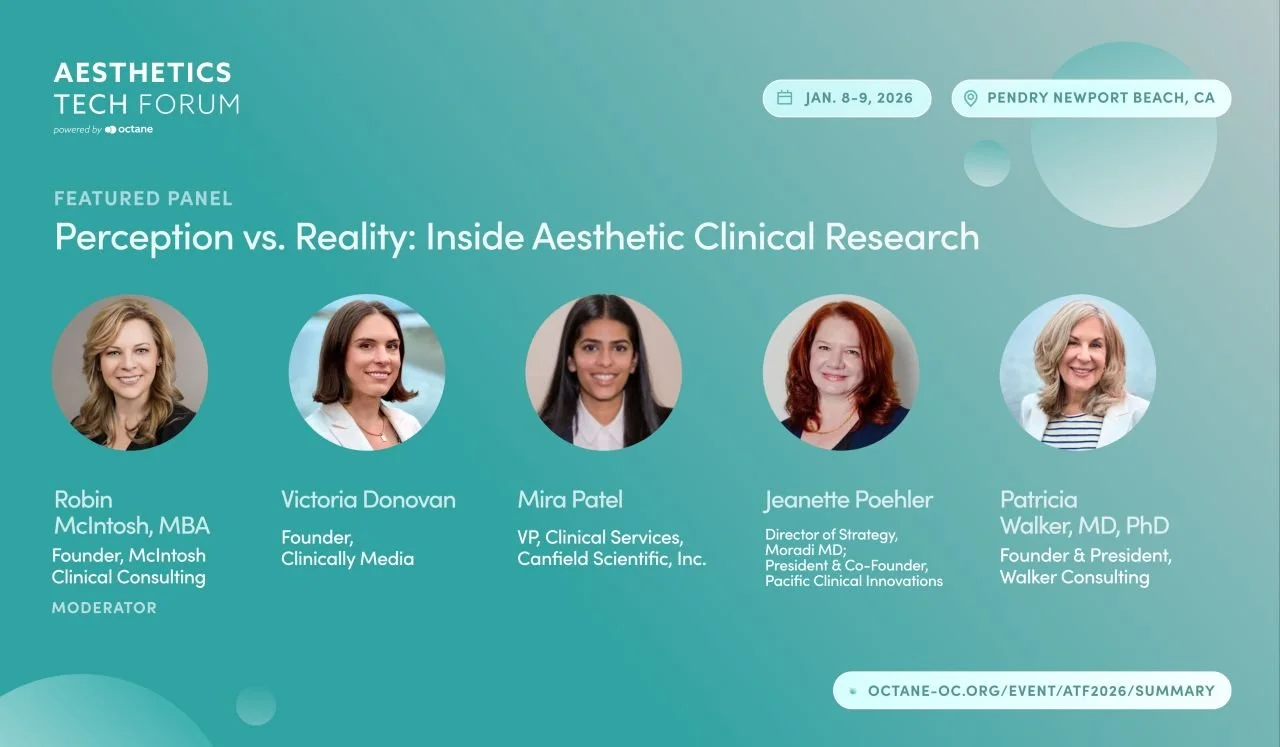
Those assumptions were challenged during a featured panel titled “Perception vs. Reality: Inside Aesthetic Clinical Research” at the 2026 Octane Aesthetics Tech Forum. Notably, this session was one of the first panels at the forum to focus deeply on clinical execution, bringing a new level of rigor and realism to a conference traditionally centered on technology and commercialization.
Moderated by clinical development expert Robin McIntosh, MBA, the panel brought together experts across clinical development, patient recruitment, site operations, imaging science, and regulatory strategy to explore what truly drives success in aesthetic trials.

(From left) Robin McIntosh, MBA; Victoria Donovan, MIra Patel, Jeanette Poehler, Patricia Walker, MD, PhD
Faster Timelines Still Require Rigor
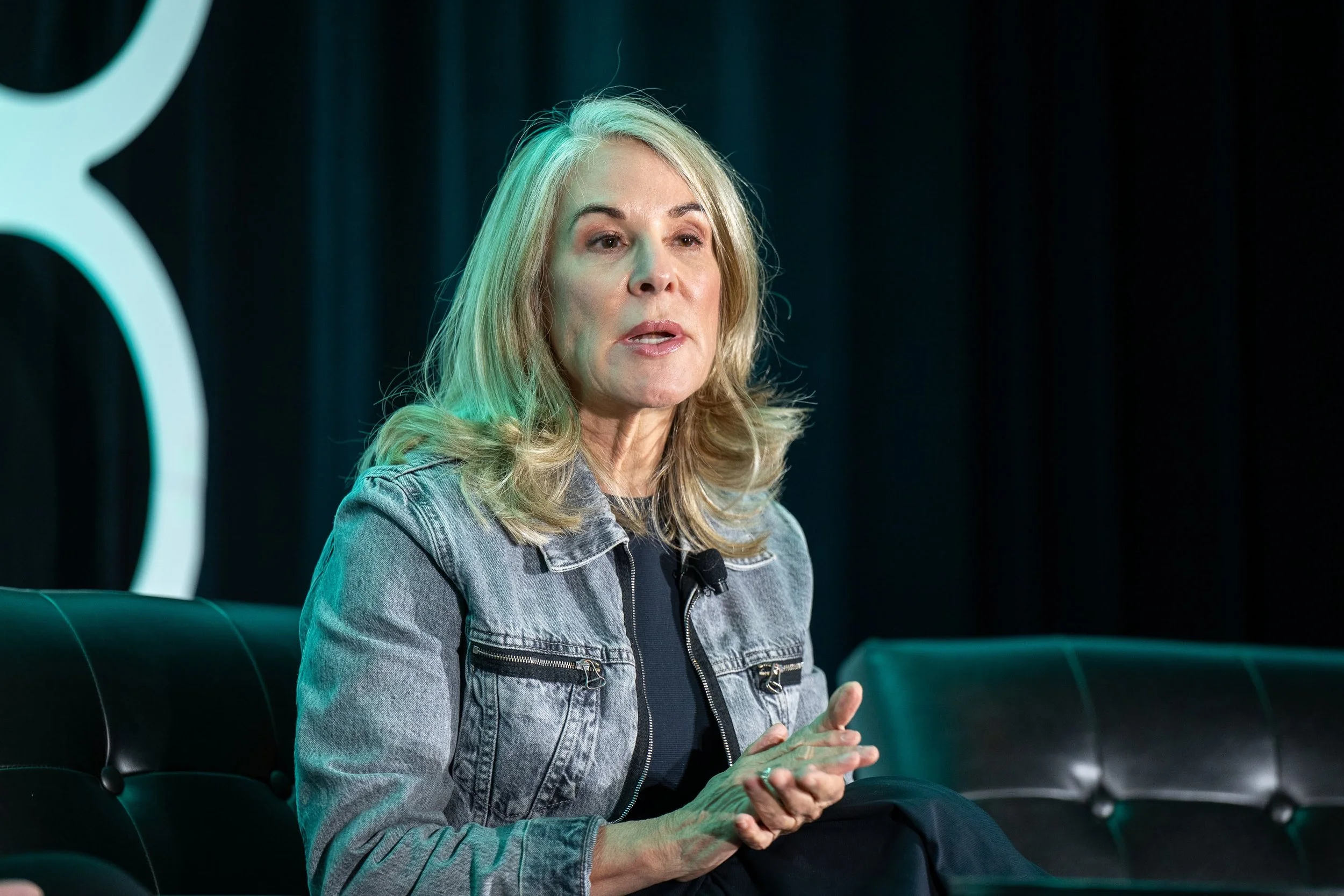
Patricia Walker, MD, PhD
The panel opened by addressing the belief that aesthetic clinical development is inherently faster and easier than other therapeutic areas. While timelines may appear shorter, Patricia Walker, MD, PhD (dermatologist and drug development industry veteran) and Robin McIntosh, MBA (drug and device development expert) emphasized that speed is typically the result of significant upfront planning, not reduced standards.
From a regulatory perspective, faster does not mean easier. Programs that assume shorter timelines allow for less rigor often encounter downstream issues related to safety, endpoints, or data integrity that ultimately slow development.

Robin McIntosh, MBA
Patient Recruitment Is Not Automatic
Victoria Donovan, CEO and Founder of patient recruitment firm Clinically Media, and Jeanette Poehler, President and Co-Founder of Pacific Clinical Innovations (a dedicated clinical research site specializing in innovative minimally invasive aesthetic medicine trials) and Director of Clinical Research at Moradi MD (offering aesthetic procedures), explored the common misconception in aesthetics research that patients will naturally line up to participate. In reality, enrollment success depends on eligibility criteria, visit burden, perceived risk, and patient trust.
From a recruitment standpoint, inclusion and exclusion criteria, visit schedules, and endpoint timing can unintentionally work against enrollment. When diversity goals and real-world patient constraints such as work schedules and caregiving responsibilities are added, recruitment becomes a strategic challenge rather than a volume exercise.
From the site perspective, trust and realistic expectations play a major role. Strong site-patient relationships improve retention, while sending unqualified patients to clinics increases screen failures and site burden.
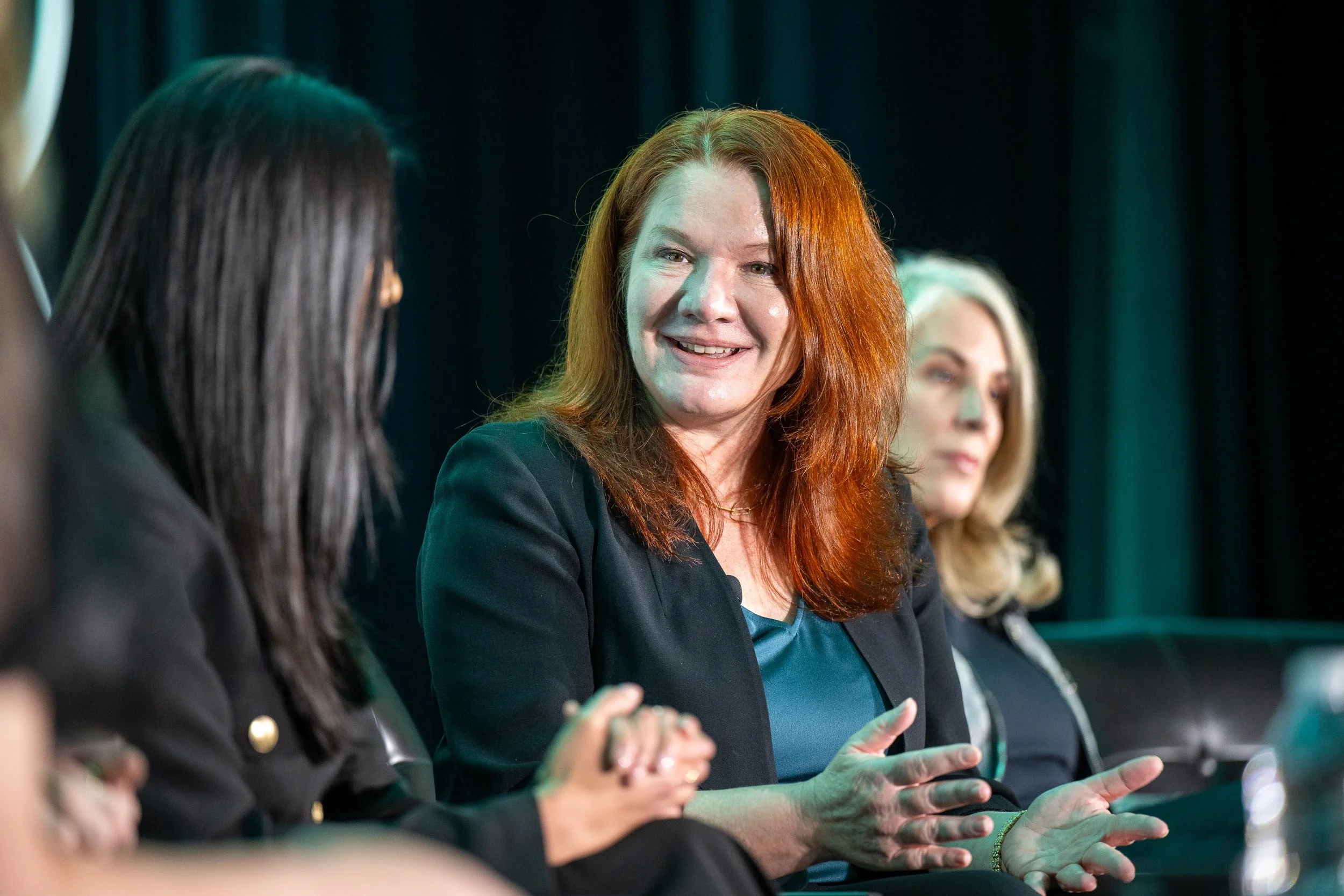
Jeanette Poehler
The Role of AI in Recruitment Requires Balance
Artificial intelligence continues to gain traction in clinical research, including patient recruitment. Victoria Donovan, CEO and Founder of patient recruitment firm Clinically Media, highlighted that while AI can support early prescreening, analytics, and material development, it should not replace human interaction.
Healthcare decisions are personal, especially in elective studies involving healthy volunteers. Over-automation risks making patients feel disconnected or undervalued. Technology works best when it supports human-led engagement rather than attempting to replace it.
Images As Data, Not Decoration
In aesthetic research, there is a strong belief that images speak for themselves. Mira Patel, Vice President, Clinical Services at medical imaging company Canfield Scientific, challenged this directly. Images only become meaningful when captured, standardized, and analyzed within a rigorous framework.
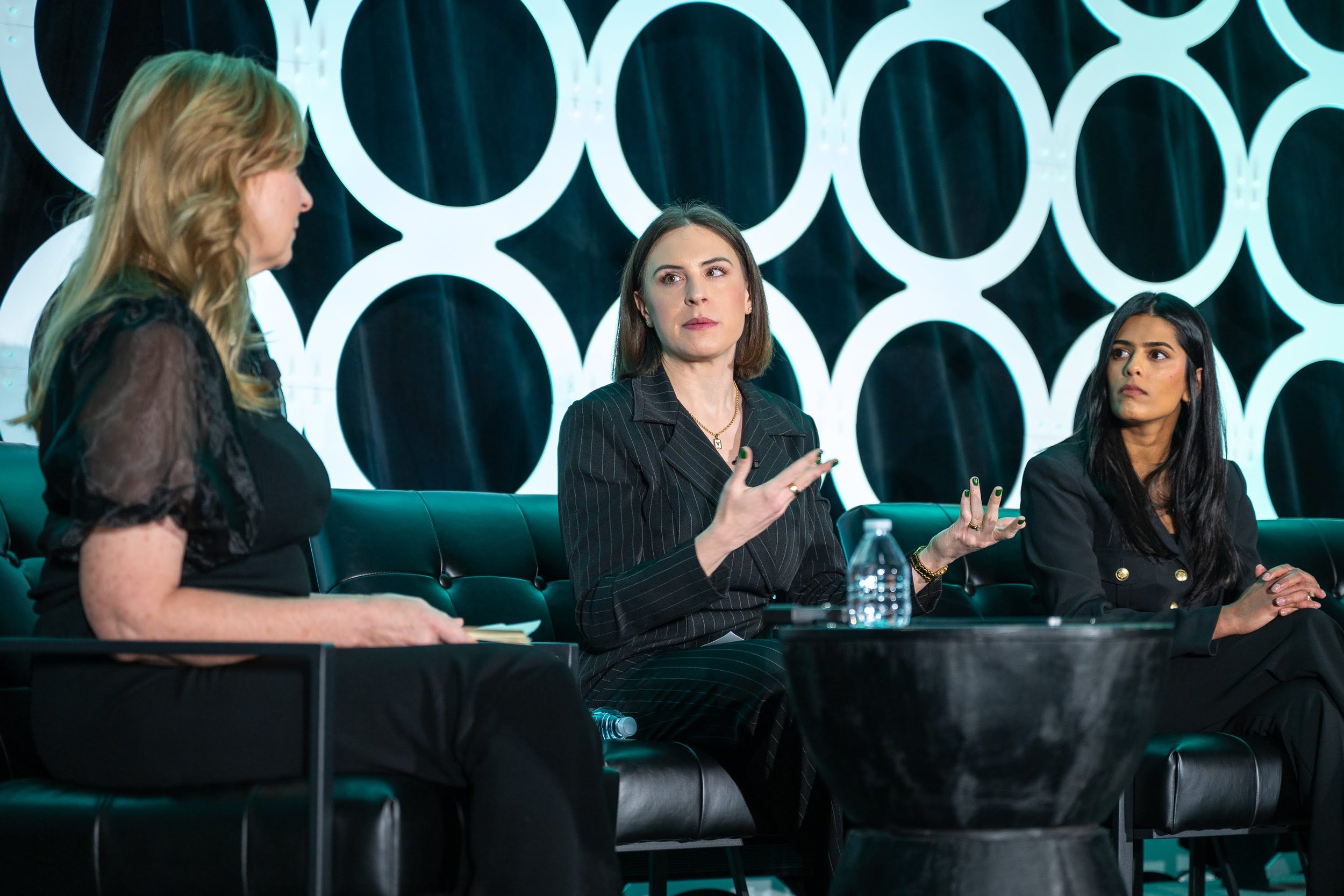
(From left) Robin McIntosh, Victoria Donovan, Mira Patel
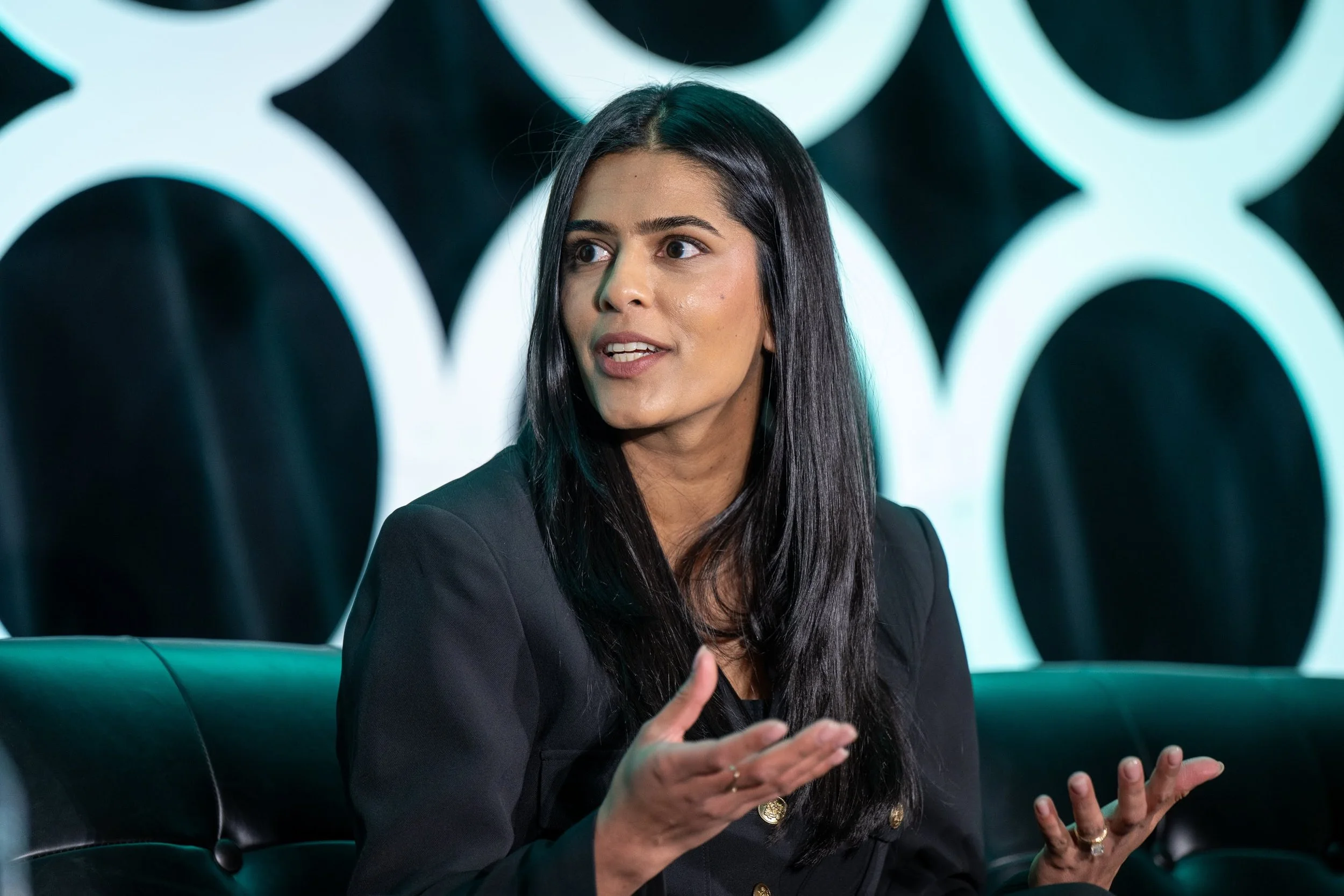
Mira Patel
Small variations in lighting, camera distance, positioning, or facial expression can significantly affect perceived outcomes. Regulators evaluate images scientifically, not aesthetically, which makes standardized imaging protocols and consistent site training essential.
When imaging is treated as an operational afterthought rather than a strategic endpoint decision, data credibility suffers.
Healthy Volunteers Raise the Safety Bar
Because aesthetic trials often involve healthy volunteers undergoing elective procedures, the safety and ethical bar is exceptionally high. Jeanette Poehler, President and Co-Founder of Pacific Clinical Innovations (a dedicated clinical research site specializing in innovative minimally invasive aesthetic medicine trials) and Director of Clinical Research at Moradi MD (offering aesthetic procedures), explained that even infrequent adverse events can have significant implications for patient trust, regulatory review, and long-term product success.
Victoria Donovan, CEO and Founder of patient recruitment firm Clinically Media, backed up that message emphasizing that clear communication during recruitment and early patient education are critical. Patients should understand risks, placebo potential, and study demands before arriving at a site, reducing disappointment and improving retention.
Aesthetic Trials Are Not Easy Money
The idea that aesthetic trials are easy or low-effort persists, but the reality is very different. Patricia Walker, MD, PhD (dermatologist and drug development industry veteran) and Robin McIntosh, MBA (drug and device development expert) echoed sentiments that high-quality aesthetic research is operationally complex and resource-intensive.
Jeanette Poehler, President and Co-Founder of Pacific Clinical Innovations (a dedicated clinical research site specializing in innovative minimally invasive aesthetic medicine trials) and Director of Clinical Research at Moradi MD (offering aesthetic procedures) emphasized that site startup, staff training, imaging requirements, patient education, documentation, and compliance all require real infrastructure. When sponsors underestimate timelines or budgets, sites are forced to stretch resources, leading to delays, deviations, and increased costs later.
Regulatory Approval Is Never Guaranteed
Finally, the panel emphasized that regulatory approval in aesthetics is never guaranteed. Agencies evaluate the totality of evidence, including trial design, endpoint relevance, imaging methodology, and statistical rigor.
Many challenges arise not because a product does not work, but because the data do not adequately support the intended indication or claims. Early development decisions often determine regulatory outcomes years later.
Why This Panel Mattered
As one of the first clinically focused panels at the Octane Aesthetics Tech Forum, this session added meaningful depth to the conference and highlighted the realities behind successful aesthetic clinical development.
At Clinically Media, we see patient recruitment as a strategic foundation, not a downstream task. When recruitment planning aligns with protocol design, site workflows, and patient expectations, studies enroll more effectively and deliver stronger outcomes.
If you are thinking through enrollment strategy early in aesthetic trial planning, we welcome the conversation.